Commercial Asphalt Sealing vs. Resurfacing: What’s the Difference
Commercial asphalt sealing helps protect and extend the life of your pavement, and local contractors can recommend the best approach compared to resurfacing.
Understanding the differences between commercial asphalt sealing and resurfacing is an important step for property owners looking to maintain or improve their asphalt surfaces. Whether managing a parking lot, driveway, or other paved area, knowing which service best suits specific needs can help ensure long-lasting results and cost-effective decisions. This guide is designed to clarify these options, helping property owners in the area make informed choices. Local contractors who specialize in asphalt sealing and resurfacing offer valuable expertise to match the right solution with each project, ensuring that surfaces remain durable and appealing over time.
Asphalt sealing and resurfacing serve distinct purposes, and choosing the appropriate service depends on the current condition of the pavement and future goals. Commercial asphalt sealing typically involves applying a protective coating to extend the life of an existing surface, while resurfacing involves removing the old asphalt and replacing it with a new layer. Property owners exploring these options often seek practical insights to determine the best approach for their specific situation. Local service providers can assess the condition of a paved area and recommend the most suitable solution, helping property owners protect their investment and keep their surfaces in top condition. Keep reading to learn more about these options and how local experts can assist.
- Parking lot sealing - property owners seeking to extend the lifespan of existing asphalt surface often turn to commercial asphalt sealing services provided by local contractors.
- Driveway sealing - businesses with asphalt driveways looking to protect their investment and improve curb appeal can rely on local service providers for effective sealing solutions.
- Industrial lot sealing - large commercial facilities needing to prevent surface deterioration during heavy use frequently work with local pros experienced in asphalt sealing.
- Sidewalk sealing - commercial properties aiming to preserve safety and appearance of asphalt walkways often hire local contractors for sealing work.
- Sealing for asphalt surfaces - property managers wanting to maintain asphalt integrity and delay resurfacing costs often contact local pros specializing in asphalt sealing services.
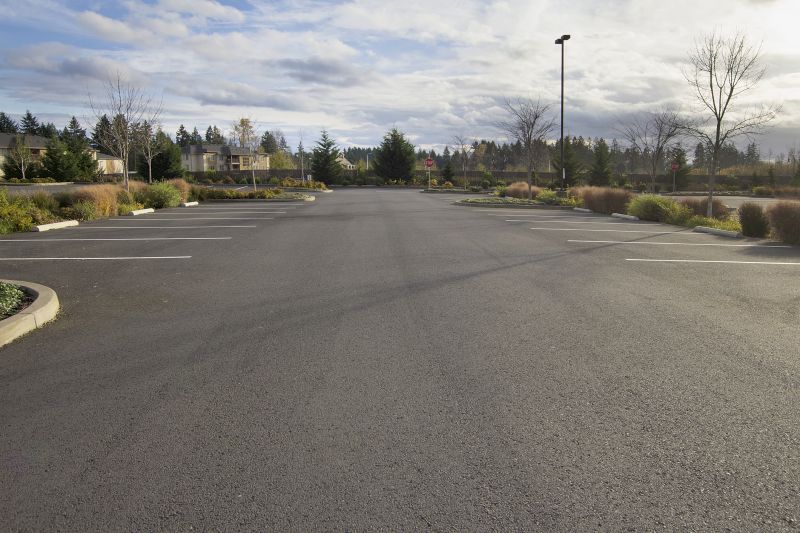
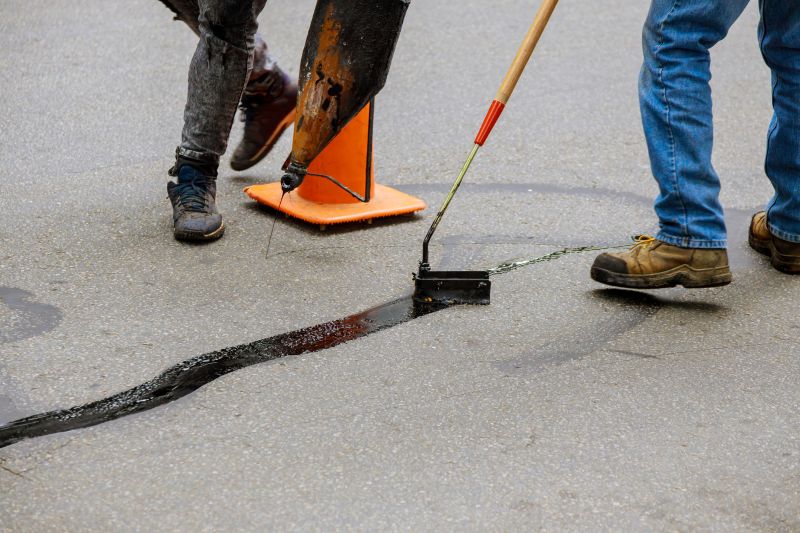
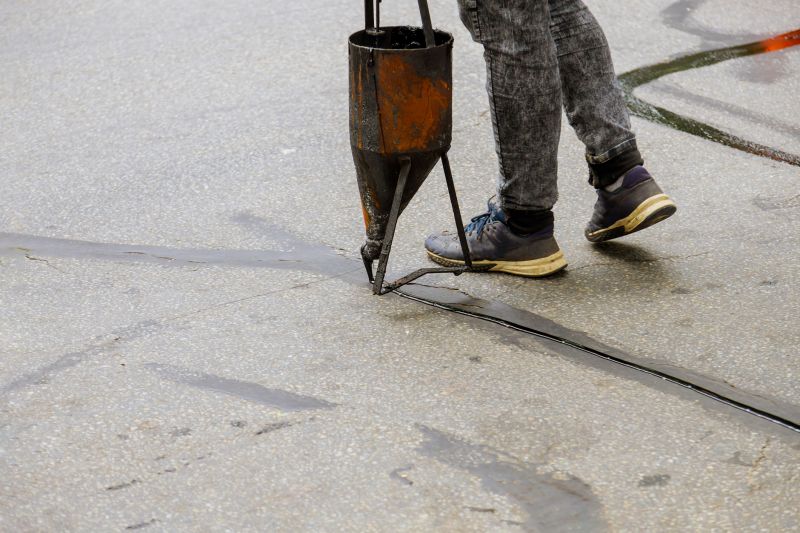
When homeowners or property managers search for information about commercial asphalt sealing versus resurfacing, they often want to understand the core differences between these two maintenance options. Typically, they are considering ways to extend the lifespan of their parking lots, driveways, or other paved surfaces, while also maintaining a professional appearance. The search may be driven by concerns about surface deterioration, cracking, or fading, and a desire to prevent more costly repairs down the line. Understanding whether sealing or resurfacing is the right choice depends on assessing the current condition of the asphalt and the long-term goals for the property.
This topic is closely related to property management plans that aim to keep paved areas safe, functional, and visually appealing. For example, a business with a busy parking lot might want to prevent potholes and surface wear, while a property owner with an older asphalt surface may be weighing whether a simple seal coat will suffice or if a more extensive resurfacing is necessary. These decisions often involve evaluating the extent of damage, the age of the pavement, and the desired appearance. Local contractors who specialize in commercial asphalt sealing and resurfacing can provide insights into the best approach based on the specific condition of the asphalt and the property's needs.
The types of properties that typically come up in discussions about commercial asphalt sealing versus resurfacing include retail centers, office complexes, industrial parks, apartment complexes, and large parking facilities. These properties usually have high traffic volumes, making maintenance a priority to ensure safety and curb appeal. Smaller properties, such as standalone retail stores or community centers, also often consider these services to protect their investment. The condition of the asphalt on these properties can vary widely-from relatively new surfaces that mainly need sealing to older, heavily worn pavements that may require resurfacing to restore structural integrity.
Understanding the differences between sealing and resurfacing helps property owners make informed decisions about maintenance strategies. Seal coating is generally a preventive measure, designed to protect the surface from moisture, UV damage, and minor wear, thereby extending the life of the asphalt. Resurfacing, on the other hand, involves removing the top layer of asphalt and replacing it with a new layer, which can address more severe deterioration like deep cracks or extensive surface failure. Local service providers who specialize in these areas can assess the specific condition of a property's asphalt and recommend the most effective solution, ensuring that maintenance efforts align with the property's current needs and long-term plans.
Pothole Repair - this project involves patching and filling damaged asphalt, requiring similar surface assessment and preparation skills as asphalt sealing and resurfacing.
Parking Lot Striping - marking and line painting on asphalt surfaces demands precise planning and surface readiness, aligning with the surface maintenance involved in sealing and resurfacing.
Crack Filling - sealing cracks in asphalt surfaces helps prevent further damage, sharing techniques used in asphalt sealing to extend pavement lifespan.
Driveway Resurfacing - resurfacing driveways involves similar surface preparation and application processes as larger commercial asphalt projects, often handled by the same local contractors.
Asphalt Milling - removing and grinding existing asphalt layers requires planning and equipment comparable to resurfacing projects, often performed by local asphalt specialists.
Seal Coat Application - applying protective seal coats on asphalt surfaces involves surface cleaning and preparation skills that are essential in both sealing and resurfacing work.
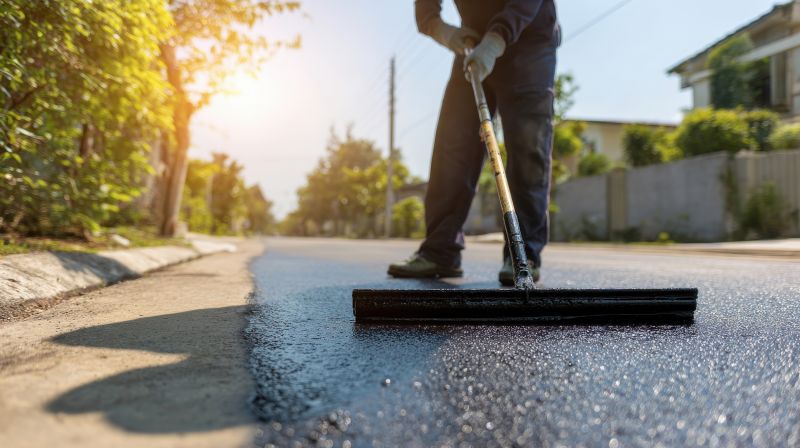
When evaluating service providers for commercial asphalt sealing, it is important to consider their experience with similar projects. Contractors who have a proven track record working on commercial properties are more likely to understand the specific demands and challenges involved in sealing large or complex asphalt surfaces. Inquire about the types of projects they have completed and whether they have experience with the scale and scope of the work needed. This background can help ensure that the chosen local contractor is familiar with best practices and can deliver results that meet the expectations for durability and appearance.
Clear, written expectations are essential when comparing local contractors for commercial asphalt sealing services. A reputable provider should be able to offer a detailed scope of work, including the materials used, the preparation process, and the maintenance recommendations afterward. Having these details in writing helps prevent misunderstandings and ensures that both parties are aligned on the project’s goals. It also provides a reference point for assessing whether the contractor’s approach aligns with the specific needs of the property, especially when considering whether sealing is appropriate versus resurfacing.
Reputable references and effective communication are key indicators of a reliable local service provider. Contractors with positive references from previous commercial clients demonstrate their ability to manage projects professionally and deliver quality results. Good communication throughout the process ensures that questions are answered, concerns are addressed, and updates are provided as needed. This transparency can be especially valuable when deciding between commercial asphalt sealing and resurfacing, as clear explanations from experienced pros can help clarify which option best suits the condition of the asphalt and the goals for the property.
Property owners often search for commercial asphalt sealing vs. resurfacing: what’s the difference when they are planning practical projects around their homes and businesses. Local pros provide Commercial Asphalt Sealing services for everyday jobs and straightforward project options.
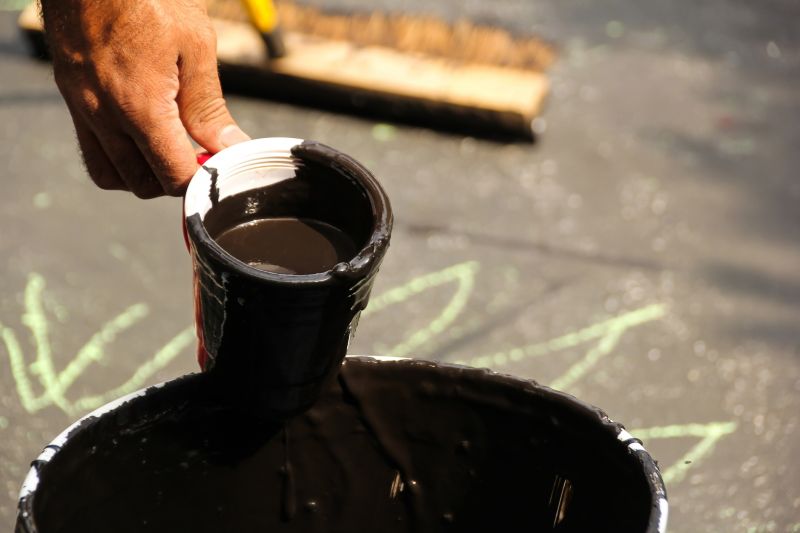
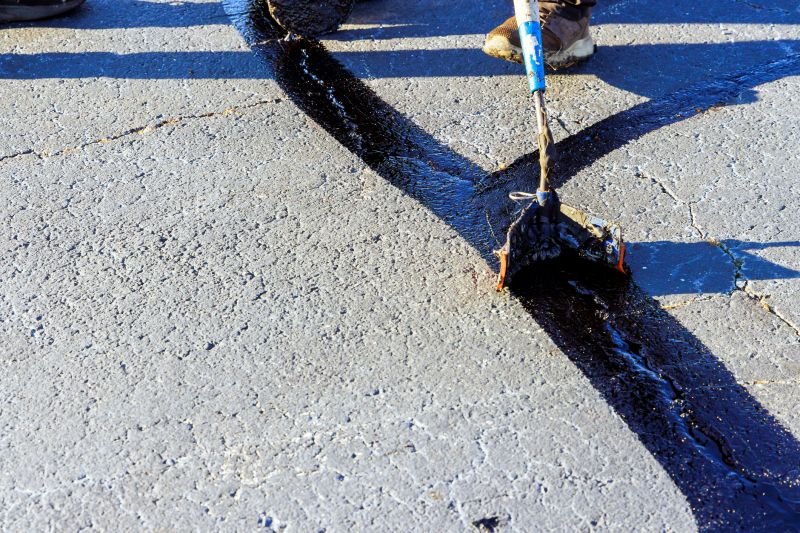
Understanding the difference between commercial asphalt sealing and resurfacing can help property owners make informed decisions about maintaining their parking lots, driveways, or other paved areas. Commercial asphalt sealing involves applying a protective coating to the surface, which helps prevent damage from water, oil, and UV rays. This process is often used as a preventative measure to extend the lifespan of existing asphalt and improve its appearance without major construction work. Resurfacing, on the other hand, involves removing the top layer of damaged asphalt and replacing it with a new layer, making it suitable for areas with significant cracking, potholes, or deterioration. Local contractors can assess the condition of the pavement and recommend the most appropriate service based on the specific needs of the property.
For property owners in the area considering asphalt maintenance, understanding these options can clarify what services are needed to keep surfaces functional and attractive. Commercial asphalt sealing is typically a quicker and less invasive solution for areas that are still structurally sound but could benefit from added protection. Resurfacing is better suited for situations where the existing asphalt has extensive damage or is no longer providing a stable surface. Local service providers are equipped to evaluate the condition of the pavement and suggest the best course of action, ensuring that the right service is chosen to meet the property’s needs and extend the life of the asphalt surface.
What is the main difference between commercial asphalt sealing and resurfacing? Commercial asphalt sealing involves applying a protective coating to the existing asphalt surface to extend its lifespan, while resurfacing replaces the old asphalt layer with a new one, providing a fresh surface.
When should a business consider sealing asphalt instead of resurfacing? Sealing is suitable for asphalt that is in good condition but needs protection from wear and weather, whereas resurfacing is recommended if the surface is severely damaged or deteriorated.
Can commercial asphalt sealing repair major cracks or potholes? No, sealing primarily protects the surface and does not address significant damage like large cracks or potholes, which typically require resurfacing or patching by local contractors.
How do local service providers determine whether sealing or resurfacing is needed? They assess the condition of the asphalt, including cracks, surface wear, and structural integrity, to recommend the most appropriate solution based on the severity of the damage.
Is commercial asphalt sealing a long-term solution for maintaining asphalt surfaces? Yes, sealing can help prolong the lifespan of asphalt by preventing damage, but it is a maintenance step that works best when combined with other repairs or resurfacing when necessary, handled by local contractors.
Assessing pavement condition - Property owners can evaluate whether their asphalt surface needs sealing or resurfacing by inspecting for cracks, potholes, or surface wear, and then consult with local contractors for suitable solutions.
Choosing sealing for maintenance - For ongoing protection and minor surface preservation, property owners might consider commercial asphalt sealing services from local pros to extend the lifespan of their existing pavement.
Planning resurfacing projects - When asphalt is heavily damaged or worn down, property owners can work with local contractors to resurface the area, providing a fresh, durable surface that addresses underlying issues.
Understanding project scope - Property owners should learn the differences between sealing and resurfacing to determine which service aligns with their pavement condition and long-term goals, with guidance from local service providers.
If you are thinking about commercial asphalt sealing vs. resurfacing: what’s the difference for a property, this guide is meant to help you understand this topic, the typical project types, and how different options might fit your plans.
When you are ready, you can use the quote form on this page to share a few details about your project. From there, local pros can review the basics and follow up with options that match what you have in mind.